Material and dimensions
Coils, sheet, plate, and structural steel present different load profiles. Start with the product form, piece count, dimensions, total weight, and weight per piece.
 Intelligence. Accountability. Freight.
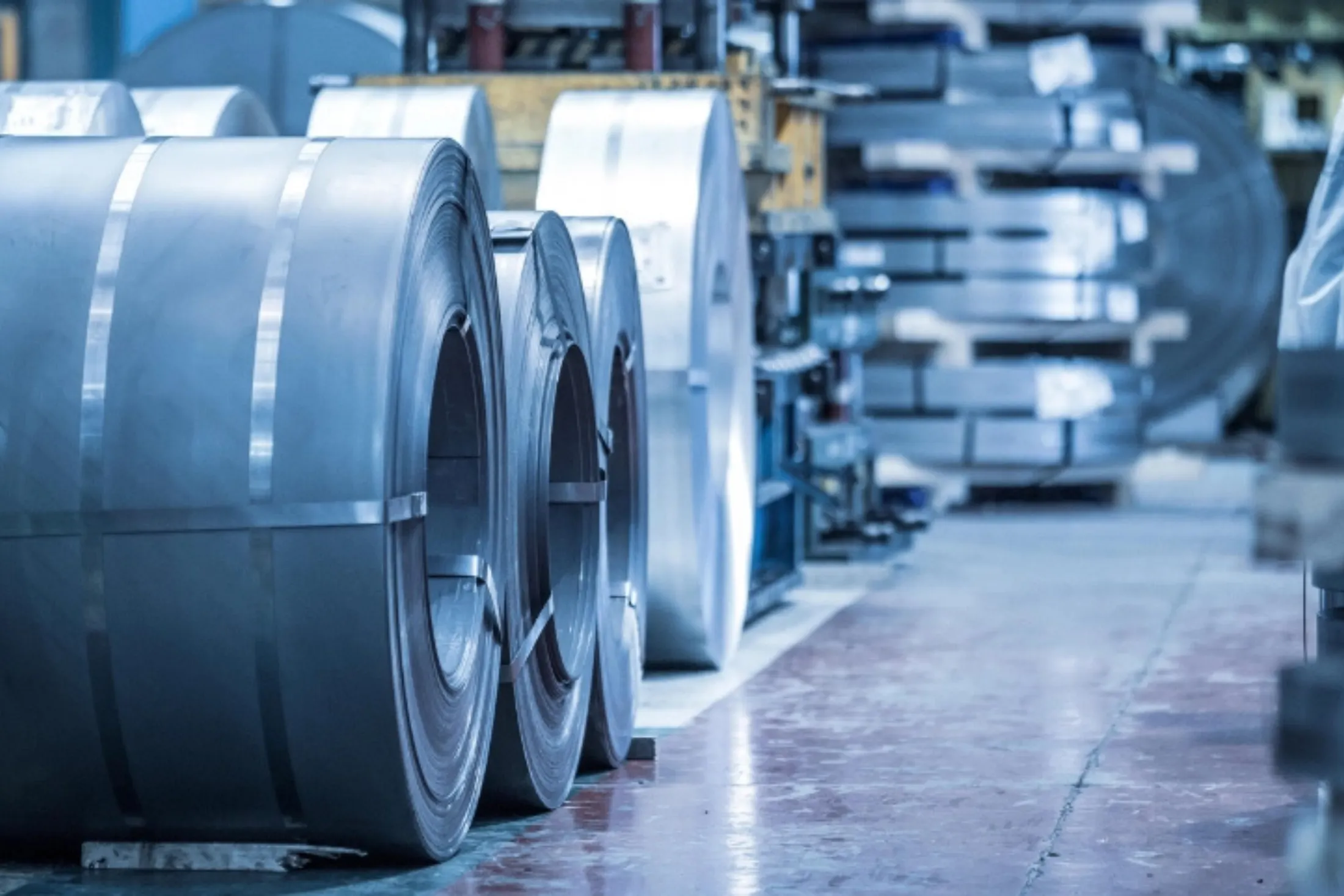
Lyra Logistics / Steel freight
Lyra Logistics
The material, the equipment, and the receiving conditions shape every steel move. Lyra connects those details with lane intelligence, carrier fit, and a broker accountable through delivery.
The stakes
Weight alone does not describe steel freight. The shape of the material, how it is loaded, and what the receiver can handle all affect the carrier decision. We bring those requirements into the lane review before capacity is selected.
The details belong in the plan before the truck arrives.
The details that decide the move
Coils, sheet, plate, and structural steel present different load profiles. Start with the product form, piece count, dimensions, total weight, and weight per piece.
Share the loading method, trailer requirements, and your securement and weather protection instructions. Those requirements help define the carrier fit for the move.
Pickup releases, appointment windows, unloading equipment, and site access shape the schedule. Put the conditions at both ends into the conversation.
Powered by LyraIQ
LyraIQ combines proprietary operating intelligence, commercially available market context, and the details of your steel shipment. Our team uses that wider view to weigh price, service pressure, and carrier fit.
Meet LyraIQPut the material, corridor, equipment needs, and timing into the same view.
Compare the load requirements with the carrier's equipment and operating fit.
Keep a Lyra broker close to pickup, delivery updates, and exceptions.
Before the first move
Send the origin, destination, product form, dimensions, weights, required equipment, and pickup timing. Include loading and unloading methods, site restrictions, and any specific handling instructions.
Yes. Share the load profile and required equipment so our team can review carrier fit. Specialized equipment and handling requirements should be discussed before a move is arranged.
We bring back market context, carrier-fit considerations, and a recommended next step. Once price, timing, and operating requirements are aligned, Lyra can support execution through its vetted carrier network.
Start with one lane
Share the steel product, dimensions, weight, equipment requirements, and next pickup. A Lyra broker will review the lane and help shape the next step.
One lane. A practical next step.